Usual Welding Repair Work Issues and How to Address Them Efficiently
Welding repair services typically encounter a range of concerns that can endanger the honesty of the end product. Usual troubles consist of inadequate penetration, porosity, and misalignment, to name a few. Each issue offers one-of-a-kind challenges that require certain approaches for resolution. Recognizing these concerns is essential for welders intending to enhance their end results and abilities. This conversation will discover these usual welding fixing concerns and efficient approaches to resolve them.
Poor Penetration
Poor infiltration occurs when the weld steel stops working to completely fuse with the base product, resulting in weak joints and prospective structural failures. This problem typically stems from not enough heat input, inaccurate electrode angle, or improper welding rate. Welders might encounter insufficient penetration because of a miscalculation of the essential criteria for a specific material thickness or type. Additionally, contamination on the base material's surface can hinder reliable bonding, aggravating the issue. To deal with inadequate infiltration, welders must assure ideal settings on their devices and preserve a clean job surface area. Normal assessment of welds is advised to determine any kind of shortages early, enabling timely modifications and the avoidance of compromised structural integrity in welded assemblies.
Porosity
Porosity is an usual flaw in welded joints that shows up as little gas bubbles trapped within the weld steel. This issue can endanger the honesty of the weld, causing minimized strength and potential failing under tension. Montana Mobile Welding and Repair Welding. Porosity typically emerges from contamination, moisture, or improper welding strategies, which enable gases to run away right into the liquified weld swimming pool. To address porosity, welders should assure appropriate surface area preparation, maintain a tidy functioning environment, and use suitable welding parameters. Furthermore, choosing the appropriate filler material and securing gas can alleviate gas entrapment. Regular examination and screening of welds can help identify porosity early, assuring timely restorative activities are taken, consequently preserving the high quality and dependability of the welded structure
Misalignment
Misalignment in welding can occur from numerous variables, consisting of incorrect setup and thermal growth. Comprehending the origin is important for efficient resolution. A number of modification strategies are offered to realign components and ensure architectural honesty.
Root causes of Imbalance
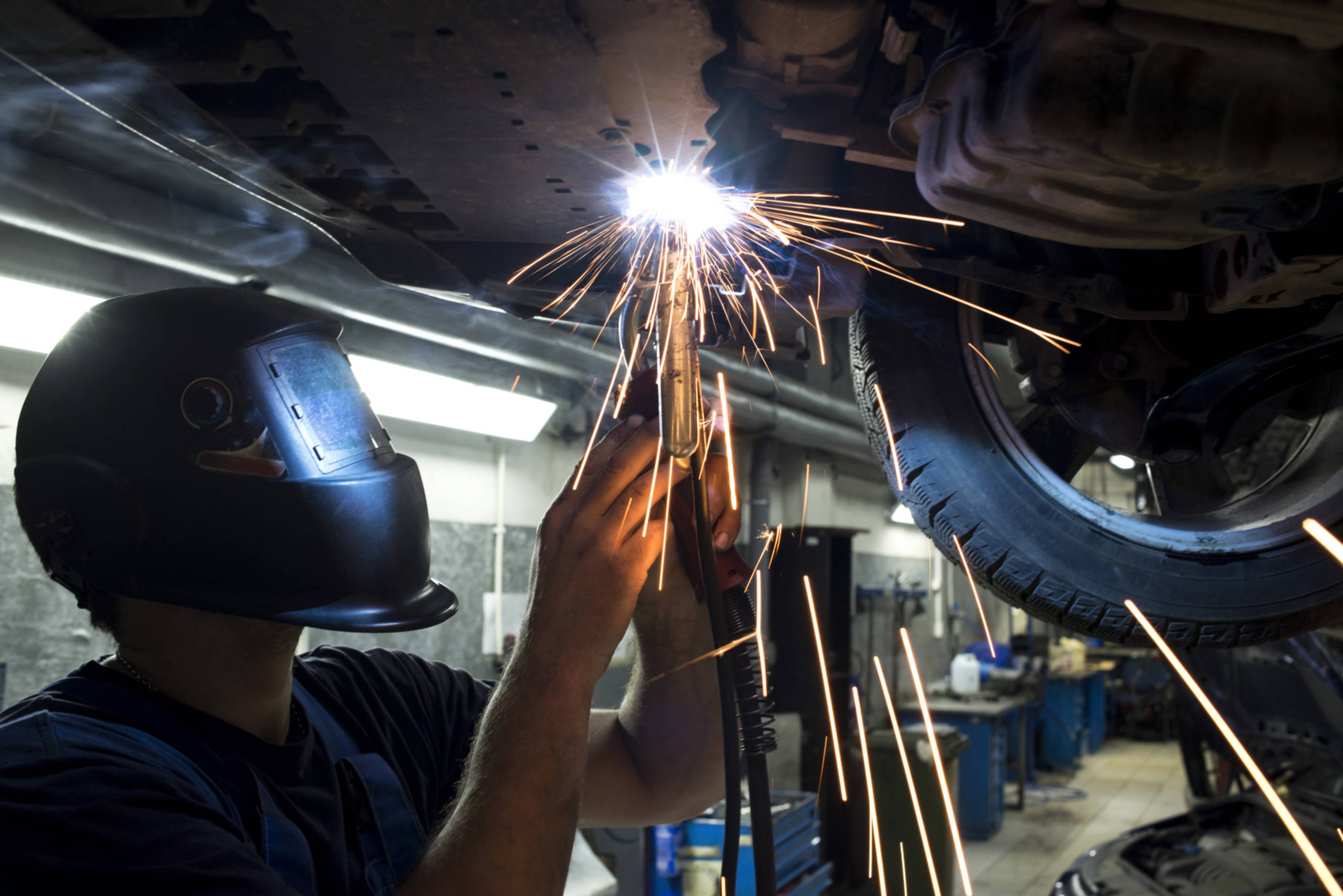
Welding misalignment typically comes from a variety of underlying issues that can compromise architectural stability. One primary cause is incorrect fit-up of components before welding, which can cause gaps and uneven surfaces. Variations in thermal development during the welding procedure can also lead to distortion, specifically if the materials being signed up with have various coefficients of expansion. In addition, inadequate clamping and fixturing may stop working to hold components firmly in position, leading to motion throughout welding. Inadequately conserved tools, including welding makers and devices, might present disparities in the weld grain, more adding to misalignment. Operator mistake, stemming from inadequate training or experience, can also play a significant duty in producing misaligned welds.
Correction Techniques Available
Resolving imbalance successfully calls for a mix of rehabilitative methods customized to the certain problems handy. One usual method is using fixtures or jigs to hold components in the correct position throughout welding, making sure consistent placement. Furthermore, preheating the products can help decrease distortion and boost fit-up. For considerable misalignment, mechanical adjustment strategies, such as making use of hydraulic jacks or clamps, can be utilized to deal with the placement before welding. Post-weld heat treatment might additionally be required to alleviate stress and anxieties brought on by misalignment. Cautious evaluation and modification during the configuration phase can protect against imbalance concerns from becoming considerable issues, advertising a smoother welding process and boosting total architectural integrity.
Distortion
Distortion is a common difficulty in welding that can occur from numerous variables, including unequal cooling and heating. Recognizing the causes of distortion is vital for applying reliable avoidance methods. Addressing this issue not only enhances structural honesty yet also improves the general quality of the weld.
Reasons for Distortion
When subjected to the extreme warmth of welding, materials commonly go through changes that can cause distortion. This phenomenon mostly arises from thermal growth and tightening throughout the welding procedure. As the weld area warms up, the product expands; upon cooling, it acquires, which can create inner stress and anxieties. On top of that, irregular home heating across a work surface can intensify these anxieties, causing bending or bending. The kind of product additionally plays a substantial duty; metals with differing thermal conductivity and coefficients of development might respond in different ways, resulting in unpredictable distortions. Moreover, bad joint layout and poor fixturing can add to imbalance during welding, increasing the likelihood of distortion. Comprehending these causes is important for efficient welding repair service and prevention strategies.
Avoidance Techniques
Effective avoidance strategies for distortion throughout welding concentrate on regulating warmth input and making sure correct joint style. Keeping a constant warm input aids to minimize thermal development and tightening, which can cause distortion. Using methods such as pre-heating the work surface can also decrease the temperature slope, promoting uniform heating. In addition, choosing proper joint layouts, such as T-joints or lap joints, can improve stability and decrease tension concentrations. Carrying out correct fixturing to secure the work surfaces in location further help in maintaining placement throughout the welding procedure. Staggered welding sequences can disperse warm much more uniformly, preventing local distortion. By using these approaches, welders can greatly decrease the probability of distortion and improve the general top quality of their welds.
Cracking
Cracking is a common problem encountered in welding repair work, commonly arising from different elements such as incorrect air conditioning rates, material choice, or insufficient joint prep work. The event of cracks can significantly compromise the integrity of the weld, resulting in possible failures throughout operation. To address this problem, welders must first examine the origin, making certain that products work and suitably picked for the specific application. Furthermore, controlling the air conditioning price throughout the welding procedure is crucial; rapid air conditioning can induce anxiety and cause cracking. Proper joint style and prep click here work also add to minimizing the danger. Carrying out these approaches can boost weld top quality and longevity, ultimately reducing the chance of breaking in finished weldments.
Insufficient Blend
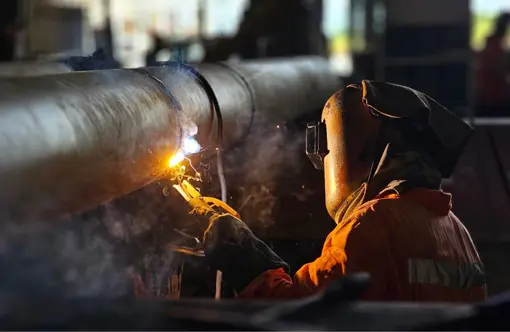
A significant problem in welding repair services is incomplete fusion, which happens when the weld steel does not adequately bond with the base material or previous weld passes - Belgrade Fabrication. This issue can result in weaknesses in the joint, potentially jeopardizing the integrity of the bonded framework. Elements contributing to incomplete blend consist of insufficient warmth input, inappropriate welding method, and contamination of the surface areas being signed up with. To address this concern efficiently, welders need to guarantee appropriate pre-weld cleaning and surface area preparation, as well as readjust their welding criteria to achieve appropriate infiltration and combination. Routine evaluation during the welding procedure can also assist recognize incomplete fusion early, enabling prompt corrective steps to enhance the total top quality of the weld
Overheating
While welding repair services can boost architectural honesty, overheating provides a considerable difficulty that can cause product destruction. Too much warmth during welding can change the mechanical homes of steels, leading to lowered stamina, raised brittleness, and bending. This phenomenon is particularly essential in high-stress applications where structural dependability is vital. Determining overheating can include aesthetic evaluations for staining or distortion, as well as keeping track of temperature level during the welding process. To mitigate the threats connected with overheating, welders must utilize appropriate techniques, such as controlling warmth input, changing travel rate, and making use of appropriate filler products. Furthermore, implementing pre- and post-weld warm therapies can help recover material homes and boost the overall high quality of the repair, ensuring long-lasting performance and security.
Regularly Asked Questions
What Are the Usual Signs of a Welding Flaw?
Exactly How Can I Test My Welds for High quality?
To check welds for high quality, one can use visual examinations, ultrasonic testing, and radiographic techniques. Each technique assures architectural integrity, determines issues, and verifies adherence to defined criteria, inevitably boosting the reliability of the bonded joints.
What Safety and security Preventative Measures Should I Take While Welding?
When welding, one ought to prioritize security by wearing suitable personal protective equipment, making certain appropriate air flow, safeguarding flammable materials away, keeping a clean work space, and recognizing environments to avoid crashes and injuries.
Can I Repair a Weld Without Redesigning the Entire Joint?
Fixing a weld without redesigning the whole joint is feasible, relying on the damages (Belgrade). Techniques such as grinding, including filler material, or utilizing a welding process can efficiently resolve certain flaws while maintaining the bordering structure
What Devices Are Crucial for Effective Welding Repair Works?
Crucial devices for efficient welding fixings include a welding maker, cord brush, mill, protective gear, clamps, and filler products. Each tool plays an essential function in guaranteeing high quality and security during the repair service process. Porosity normally develops from contamination, dampness, or inappropriate welding techniques, which enable gases to get away into the molten weld pool. Inadequately conserved equipment, consisting of welding equipments and devices, might present variances in the weld bead, additional contributing to imbalance. When subjected to the extreme heat of welding, materials often go through modifications that can lead to distortion. Splitting is an usual problem run into in welding repairs, usually resulting from numerous aspects such as improper cooling prices, material selection, or poor joint preparation. A considerable problem in welding fixings is incomplete blend, which happens when the weld metal does not sufficiently bond with the base material or previous weld passes.